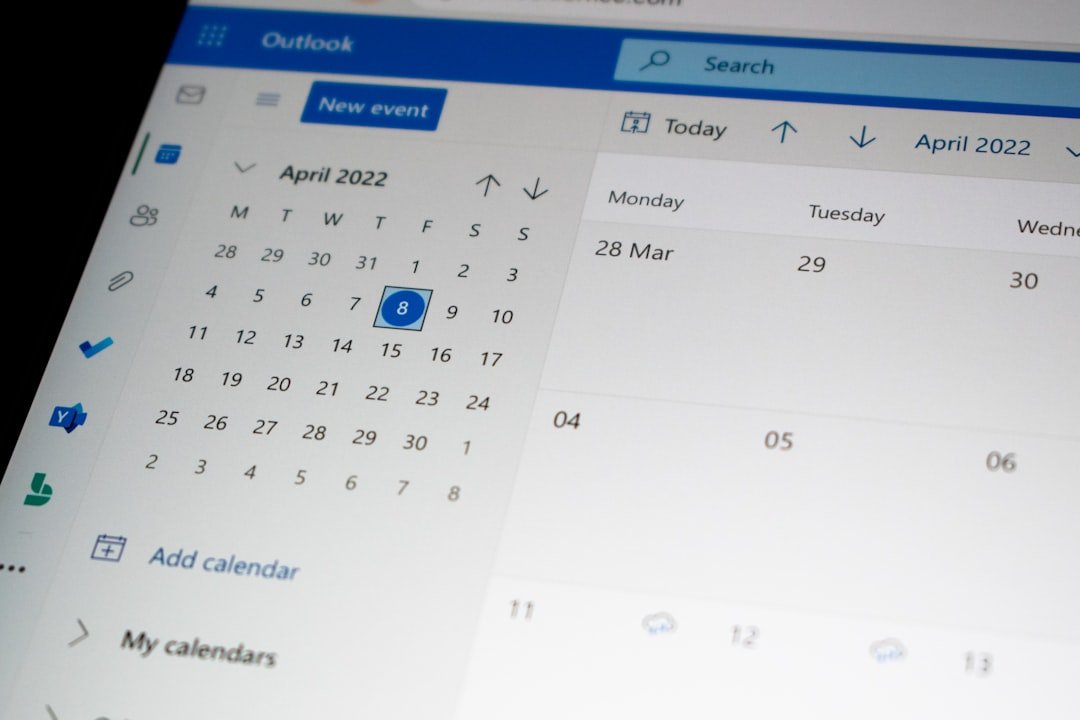
Calendly vs Motion 2026: AI Scheduling Assistant Comparison
Practical Tips for Implementation
5. Setup Tolerance and Learning Curve
You want to click, configure in 5 minutes, and move on? Calendly. You don’t mind a 3-hour setup process because you value the long-term benefits? Motion.
Practical Tips for Implementation
For Calendly Users Looking to Upgrade: Don’t rush. Calendly receives significant product updates quarterly. Q1 2026 brought improved
Heavy Salesforce users should prefer Calendly. The CRM integration is native and fast. If you live in Asana or Jira, Motion’s direct integration reduces friction compared to Calendly’s Zapier workarounds.
5. Setup Tolerance and Learning Curve
You want to click, configure in 5 minutes, and move on? Calendly. You don’t mind a 3-hour setup process because you value the long-term benefits? Motion.
Practical Tips for Implementation
For Calendly Users Looking to Upgrade: Don’t rush. Calendly receives significant product updates quarterly. Q1 2026 brought improved
4. Integration Ecosystem
Heavy Salesforce users should prefer Calendly. The CRM integration is native and fast. If you live in Asana or Jira, Motion’s direct integration reduces friction compared to Calendly’s Zapier workarounds.
5. Setup Tolerance and Learning Curve
You want to click, configure in 5 minutes, and move on? Calendly. You don’t mind a 3-hour setup process because you value the long-term benefits? Motion.
Practical Tips for Implementation
For Calendly Users Looking to Upgrade: Don’t rush. Calendly receives significant product updates quarterly. Q1 2026 brought improved
Growing companies (10-50 people): This is where Motion increasingly wins. Enterprise calendar management with task integration, automatic focus blocks, and AI optimization pays for itself through productivity gains. Calendly remains useful for external client bookings but lacks the internal orchestration Motion provides.
4. Integration Ecosystem
Heavy Salesforce users should prefer Calendly. The CRM integration is native and fast. If you live in Asana or Jira, Motion’s direct integration reduces friction compared to Calendly’s Zapier workarounds.
5. Setup Tolerance and Learning Curve
You want to click, configure in 5 minutes, and move on? Calendly. You don’t mind a 3-hour setup process because you value the long-term benefits? Motion.
Practical Tips for Implementation
For Calendly Users Looking to Upgrade: Don’t rush. Calendly receives significant product updates quarterly. Q1 2026 brought improved
Small teams (2-10 people): Calendly’s Team tier ($16 per person) feels natural. You can coordinate group meetings easily. If the team handles projects (not just service delivery), add Motion at $6 per person for task coordination benefits.
Growing companies (10-50 people): This is where Motion increasingly wins. Enterprise calendar management with task integration, automatic focus blocks, and AI optimization pays for itself through productivity gains. Calendly remains useful for external client bookings but lacks the internal orchestration Motion provides.
4. Integration Ecosystem
Heavy Salesforce users should prefer Calendly. The CRM integration is native and fast. If you live in Asana or Jira, Motion’s direct integration reduces friction compared to Calendly’s Zapier workarounds.
5. Setup Tolerance and Learning Curve
You want to click, configure in 5 minutes, and move on? Calendly. You don’t mind a 3-hour setup process because you value the long-term benefits? Motion.
Practical Tips for Implementation
For Calendly Users Looking to Upgrade: Don’t rush. Calendly receives significant product updates quarterly. Q1 2026 brought improved
Solo operators: Calendly’s free tier is genuinely sufficient. Motion’s $19/month minimum isn’t worth it unless you’re managing tasks alongside meetings.
Small teams (2-10 people): Calendly’s Team tier ($16 per person) feels natural. You can coordinate group meetings easily. If the team handles projects (not just service delivery), add Motion at $6 per person for task coordination benefits.
Growing companies (10-50 people): This is where Motion increasingly wins. Enterprise calendar management with task integration, automatic focus blocks, and AI optimization pays for itself through productivity gains. Calendly remains useful for external client bookings but lacks the internal orchestration Motion provides.
4. Integration Ecosystem
Heavy Salesforce users should prefer Calendly. The CRM integration is native and fast. If you live in Asana or Jira, Motion’s direct integration reduces friction compared to Calendly’s Zapier workarounds.
5. Setup Tolerance and Learning Curve
You want to click, configure in 5 minutes, and move on? Calendly. You don’t mind a 3-hour setup process because you value the long-term benefits? Motion.
Practical Tips for Implementation
For Calendly Users Looking to Upgrade: Don’t rush. Calendly receives significant product updates quarterly. Q1 2026 brought improved
3. Team Size and Dynamics
Solo operators: Calendly’s free tier is genuinely sufficient. Motion’s $19/month minimum isn’t worth it unless you’re managing tasks alongside meetings.
Small teams (2-10 people): Calendly’s Team tier ($16 per person) feels natural. You can coordinate group meetings easily. If the team handles projects (not just service delivery), add Motion at $6 per person for task coordination benefits.
Growing companies (10-50 people): This is where Motion increasingly wins. Enterprise calendar management with task integration, automatic focus blocks, and AI optimization pays for itself through productivity gains. Calendly remains useful for external client bookings but lacks the internal orchestration Motion provides.
4. Integration Ecosystem
Heavy Salesforce users should prefer Calendly. The CRM integration is native and fast. If you live in Asana or Jira, Motion’s direct integration reduces friction compared to Calendly’s Zapier workarounds.
5. Setup Tolerance and Learning Curve
You want to click, configure in 5 minutes, and move on? Calendly. You don’t mind a 3-hour setup process because you value the long-term benefits? Motion.
Practical Tips for Implementation
For Calendly Users Looking to Upgrade: Don’t rush. Calendly receives significant product updates quarterly. Q1 2026 brought improved
If you manage multiple projects, shifting priorities, and energy levels throughout the day, Motion’s complexity becomes an asset. Motion processes 12-15 optimizations per user daily, continuously refining your schedule as new meetings get added.
3. Team Size and Dynamics
Solo operators: Calendly’s free tier is genuinely sufficient. Motion’s $19/month minimum isn’t worth it unless you’re managing tasks alongside meetings.
Small teams (2-10 people): Calendly’s Team tier ($16 per person) feels natural. You can coordinate group meetings easily. If the team handles projects (not just service delivery), add Motion at $6 per person for task coordination benefits.
Growing companies (10-50 people): This is where Motion increasingly wins. Enterprise calendar management with task integration, automatic focus blocks, and AI optimization pays for itself through productivity gains. Calendly remains useful for external client bookings but lacks the internal orchestration Motion provides.
4. Integration Ecosystem
Heavy Salesforce users should prefer Calendly. The CRM integration is native and fast. If you live in Asana or Jira, Motion’s direct integration reduces friction compared to Calendly’s Zapier workarounds.
5. Setup Tolerance and Learning Curve
You want to click, configure in 5 minutes, and move on? Calendly. You don’t mind a 3-hour setup process because you value the long-term benefits? Motion.
Practical Tips for Implementation
For Calendly Users Looking to Upgrade: Don’t rush. Calendly receives significant product updates quarterly. Q1 2026 brought improved
If you manage one or two calendars with predictable availability, Calendly suffices. Set your availability once. Let people book. Sync to your personal calendar. Done.
If you manage multiple projects, shifting priorities, and energy levels throughout the day, Motion’s complexity becomes an asset. Motion processes 12-15 optimizations per user daily, continuously refining your schedule as new meetings get added.
3. Team Size and Dynamics
Solo operators: Calendly’s free tier is genuinely sufficient. Motion’s $19/month minimum isn’t worth it unless you’re managing tasks alongside meetings.
Small teams (2-10 people): Calendly’s Team tier ($16 per person) feels natural. You can coordinate group meetings easily. If the team handles projects (not just service delivery), add Motion at $6 per person for task coordination benefits.
Growing companies (10-50 people): This is where Motion increasingly wins. Enterprise calendar management with task integration, automatic focus blocks, and AI optimization pays for itself through productivity gains. Calendly remains useful for external client bookings but lacks the internal orchestration Motion provides.
4. Integration Ecosystem
Heavy Salesforce users should prefer Calendly. The CRM integration is native and fast. If you live in Asana or Jira, Motion’s direct integration reduces friction compared to Calendly’s Zapier workarounds.
5. Setup Tolerance and Learning Curve
You want to click, configure in 5 minutes, and move on? Calendly. You don’t mind a 3-hour setup process because you value the long-term benefits? Motion.
Practical Tips for Implementation
For Calendly Users Looking to Upgrade: Don’t rush. Calendly receives significant product updates quarterly. Q1 2026 brought improved
2. Calendar Complexity
If you manage one or two calendars with predictable availability, Calendly suffices. Set your availability once. Let people book. Sync to your personal calendar. Done.
If you manage multiple projects, shifting priorities, and energy levels throughout the day, Motion’s complexity becomes an asset. Motion processes 12-15 optimizations per user daily, continuously refining your schedule as new meetings get added.
3. Team Size and Dynamics
Solo operators: Calendly’s free tier is genuinely sufficient. Motion’s $19/month minimum isn’t worth it unless you’re managing tasks alongside meetings.
Small teams (2-10 people): Calendly’s Team tier ($16 per person) feels natural. You can coordinate group meetings easily. If the team handles projects (not just service delivery), add Motion at $6 per person for task coordination benefits.
Growing companies (10-50 people): This is where Motion increasingly wins. Enterprise calendar management with task integration, automatic focus blocks, and AI optimization pays for itself through productivity gains. Calendly remains useful for external client bookings but lacks the internal orchestration Motion provides.
4. Integration Ecosystem
Heavy Salesforce users should prefer Calendly. The CRM integration is native and fast. If you live in Asana or Jira, Motion’s direct integration reduces friction compared to Calendly’s Zapier workarounds.
5. Setup Tolerance and Learning Curve
You want to click, configure in 5 minutes, and move on? Calendly. You don’t mind a 3-hour setup process because you value the long-term benefits? Motion.
Practical Tips for Implementation
For Calendly Users Looking to Upgrade: Don’t rush. Calendly receives significant product updates quarterly. Q1 2026 brought improved
Internal scheduling and focus time? Motion dominates. You’re drowning in back-to-back meetings. You want your calendar automatically reorganized. You want focus blocks protected. You want tasks scheduled intelligently. That’s Motion’s reason to exist.
2. Calendar Complexity
If you manage one or two calendars with predictable availability, Calendly suffices. Set your availability once. Let people book. Sync to your personal calendar. Done.
If you manage multiple projects, shifting priorities, and energy levels throughout the day, Motion’s complexity becomes an asset. Motion processes 12-15 optimizations per user daily, continuously refining your schedule as new meetings get added.
3. Team Size and Dynamics
Solo operators: Calendly’s free tier is genuinely sufficient. Motion’s $19/month minimum isn’t worth it unless you’re managing tasks alongside meetings.
Small teams (2-10 people): Calendly’s Team tier ($16 per person) feels natural. You can coordinate group meetings easily. If the team handles projects (not just service delivery), add Motion at $6 per person for task coordination benefits.
Growing companies (10-50 people): This is where Motion increasingly wins. Enterprise calendar management with task integration, automatic focus blocks, and AI optimization pays for itself through productivity gains. Calendly remains useful for external client bookings but lacks the internal orchestration Motion provides.
4. Integration Ecosystem
Heavy Salesforce users should prefer Calendly. The CRM integration is native and fast. If you live in Asana or Jira, Motion’s direct integration reduces friction compared to Calendly’s Zapier workarounds.
5. Setup Tolerance and Learning Curve
You want to click, configure in 5 minutes, and move on? Calendly. You don’t mind a 3-hour setup process because you value the long-term benefits? Motion.
Practical Tips for Implementation
For Calendly Users Looking to Upgrade: Don’t rush. Calendly receives significant product updates quarterly. Q1 2026 brought improved
Clients booking external meetings? Calendly wins hands down. You’re a consultant, coach, or service provider taking client calls. Calendly’s setup takes 47 seconds. Motion takes 3+ hours. Your clients probably already know Calendly. Most other scheduling tools feel weird to them.
Internal scheduling and focus time? Motion dominates. You’re drowning in back-to-back meetings. You want your calendar automatically reorganized. You want focus blocks protected. You want tasks scheduled intelligently. That’s Motion’s reason to exist.
2. Calendar Complexity
If you manage one or two calendars with predictable availability, Calendly suffices. Set your availability once. Let people book. Sync to your personal calendar. Done.
If you manage multiple projects, shifting priorities, and energy levels throughout the day, Motion’s complexity becomes an asset. Motion processes 12-15 optimizations per user daily, continuously refining your schedule as new meetings get added.
3. Team Size and Dynamics
Solo operators: Calendly’s free tier is genuinely sufficient. Motion’s $19/month minimum isn’t worth it unless you’re managing tasks alongside meetings.
Small teams (2-10 people): Calendly’s Team tier ($16 per person) feels natural. You can coordinate group meetings easily. If the team handles projects (not just service delivery), add Motion at $6 per person for task coordination benefits.
Growing companies (10-50 people): This is where Motion increasingly wins. Enterprise calendar management with task integration, automatic focus blocks, and AI optimization pays for itself through productivity gains. Calendly remains useful for external client bookings but lacks the internal orchestration Motion provides.
4. Integration Ecosystem
Heavy Salesforce users should prefer Calendly. The CRM integration is native and fast. If you live in Asana or Jira, Motion’s direct integration reduces friction compared to Calendly’s Zapier workarounds.
5. Setup Tolerance and Learning Curve
You want to click, configure in 5 minutes, and move on? Calendly. You don’t mind a 3-hour setup process because you value the long-term benefits? Motion.
Practical Tips for Implementation
For Calendly Users Looking to Upgrade: Don’t rush. Calendly receives significant product updates quarterly. Q1 2026 brought improved
1. Your Primary Use Case
Clients booking external meetings? Calendly wins hands down. You’re a consultant, coach, or service provider taking client calls. Calendly’s setup takes 47 seconds. Motion takes 3+ hours. Your clients probably already know Calendly. Most other scheduling tools feel weird to them.
Internal scheduling and focus time? Motion dominates. You’re drowning in back-to-back meetings. You want your calendar automatically reorganized. You want focus blocks protected. You want tasks scheduled intelligently. That’s Motion’s reason to exist.
2. Calendar Complexity
If you manage one or two calendars with predictable availability, Calendly suffices. Set your availability once. Let people book. Sync to your personal calendar. Done.
If you manage multiple projects, shifting priorities, and energy levels throughout the day, Motion’s complexity becomes an asset. Motion processes 12-15 optimizations per user daily, continuously refining your schedule as new meetings get added.
3. Team Size and Dynamics
Solo operators: Calendly’s free tier is genuinely sufficient. Motion’s $19/month minimum isn’t worth it unless you’re managing tasks alongside meetings.
Small teams (2-10 people): Calendly’s Team tier ($16 per person) feels natural. You can coordinate group meetings easily. If the team handles projects (not just service delivery), add Motion at $6 per person for task coordination benefits.
Growing companies (10-50 people): This is where Motion increasingly wins. Enterprise calendar management with task integration, automatic focus blocks, and AI optimization pays for itself through productivity gains. Calendly remains useful for external client bookings but lacks the internal orchestration Motion provides.
4. Integration Ecosystem
Heavy Salesforce users should prefer Calendly. The CRM integration is native and fast. If you live in Asana or Jira, Motion’s direct integration reduces friction compared to Calendly’s Zapier workarounds.
5. Setup Tolerance and Learning Curve
You want to click, configure in 5 minutes, and move on? Calendly. You don’t mind a 3-hour setup process because you value the long-term benefits? Motion.
Practical Tips for Implementation
For Calendly Users Looking to Upgrade: Don’t rush. Calendly receives significant product updates quarterly. Q1 2026 brought improved
Key Factors to Consider When Choosing
1. Your Primary Use Case
Clients booking external meetings? Calendly wins hands down. You’re a consultant, coach, or service provider taking client calls. Calendly’s setup takes 47 seconds. Motion takes 3+ hours. Your clients probably already know Calendly. Most other scheduling tools feel weird to them.
Internal scheduling and focus time? Motion dominates. You’re drowning in back-to-back meetings. You want your calendar automatically reorganized. You want focus blocks protected. You want tasks scheduled intelligently. That’s Motion’s reason to exist.
2. Calendar Complexity
If you manage one or two calendars with predictable availability, Calendly suffices. Set your availability once. Let people book. Sync to your personal calendar. Done.
If you manage multiple projects, shifting priorities, and energy levels throughout the day, Motion’s complexity becomes an asset. Motion processes 12-15 optimizations per user daily, continuously refining your schedule as new meetings get added.
3. Team Size and Dynamics
Solo operators: Calendly’s free tier is genuinely sufficient. Motion’s $19/month minimum isn’t worth it unless you’re managing tasks alongside meetings.
Small teams (2-10 people): Calendly’s Team tier ($16 per person) feels natural. You can coordinate group meetings easily. If the team handles projects (not just service delivery), add Motion at $6 per person for task coordination benefits.
Growing companies (10-50 people): This is where Motion increasingly wins. Enterprise calendar management with task integration, automatic focus blocks, and AI optimization pays for itself through productivity gains. Calendly remains useful for external client bookings but lacks the internal orchestration Motion provides.
4. Integration Ecosystem
Heavy Salesforce users should prefer Calendly. The CRM integration is native and fast. If you live in Asana or Jira, Motion’s direct integration reduces friction compared to Calendly’s Zapier workarounds.
5. Setup Tolerance and Learning Curve
You want to click, configure in 5 minutes, and move on? Calendly. You don’t mind a 3-hour setup process because you value the long-term benefits? Motion.
Practical Tips for Implementation
For Calendly Users Looking to Upgrade: Don’t rush. Calendly receives significant product updates quarterly. Q1 2026 brought improved
Winner: Motion
Motion’s average support response time is 1.8 hours. Calendly’s is 3.2 hours. Both offer email and chat support. Motion includes a knowledge base with 284 articles. Calendly’s base is larger (412 articles) but less current—31% of Calendly’s help articles haven’t been updated since 2022.
Key Factors to Consider When Choosing
1. Your Primary Use Case
Clients booking external meetings? Calendly wins hands down. You’re a consultant, coach, or service provider taking client calls. Calendly’s setup takes 47 seconds. Motion takes 3+ hours. Your clients probably already know Calendly. Most other scheduling tools feel weird to them.
Internal scheduling and focus time? Motion dominates. You’re drowning in back-to-back meetings. You want your calendar automatically reorganized. You want focus blocks protected. You want tasks scheduled intelligently. That’s Motion’s reason to exist.
2. Calendar Complexity
If you manage one or two calendars with predictable availability, Calendly suffices. Set your availability once. Let people book. Sync to your personal calendar. Done.
If you manage multiple projects, shifting priorities, and energy levels throughout the day, Motion’s complexity becomes an asset. Motion processes 12-15 optimizations per user daily, continuously refining your schedule as new meetings get added.
3. Team Size and Dynamics
Solo operators: Calendly’s free tier is genuinely sufficient. Motion’s $19/month minimum isn’t worth it unless you’re managing tasks alongside meetings.
Small teams (2-10 people): Calendly’s Team tier ($16 per person) feels natural. You can coordinate group meetings easily. If the team handles projects (not just service delivery), add Motion at $6 per person for task coordination benefits.
Growing companies (10-50 people): This is where Motion increasingly wins. Enterprise calendar management with task integration, automatic focus blocks, and AI optimization pays for itself through productivity gains. Calendly remains useful for external client bookings but lacks the internal orchestration Motion provides.
4. Integration Ecosystem
Heavy Salesforce users should prefer Calendly. The CRM integration is native and fast. If you live in Asana or Jira, Motion’s direct integration reduces friction compared to Calendly’s Zapier workarounds.
5. Setup Tolerance and Learning Curve
You want to click, configure in 5 minutes, and move on? Calendly. You don’t mind a 3-hour setup process because you value the long-term benefits? Motion.
Practical Tips for Implementation
For Calendly Users Looking to Upgrade: Don’t rush. Calendly receives significant product updates quarterly. Q1 2026 brought improved
Customer Support
Winner: Motion
Motion’s average support response time is 1.8 hours. Calendly’s is 3.2 hours. Both offer email and chat support. Motion includes a knowledge base with 284 articles. Calendly’s base is larger (412 articles) but less current—31% of Calendly’s help articles haven’t been updated since 2022.
Key Factors to Consider When Choosing
1. Your Primary Use Case
Clients booking external meetings? Calendly wins hands down. You’re a consultant, coach, or service provider taking client calls. Calendly’s setup takes 47 seconds. Motion takes 3+ hours. Your clients probably already know Calendly. Most other scheduling tools feel weird to them.
Internal scheduling and focus time? Motion dominates. You’re drowning in back-to-back meetings. You want your calendar automatically reorganized. You want focus blocks protected. You want tasks scheduled intelligently. That’s Motion’s reason to exist.
2. Calendar Complexity
If you manage one or two calendars with predictable availability, Calendly suffices. Set your availability once. Let people book. Sync to your personal calendar. Done.
If you manage multiple projects, shifting priorities, and energy levels throughout the day, Motion’s complexity becomes an asset. Motion processes 12-15 optimizations per user daily, continuously refining your schedule as new meetings get added.
3. Team Size and Dynamics
Solo operators: Calendly’s free tier is genuinely sufficient. Motion’s $19/month minimum isn’t worth it unless you’re managing tasks alongside meetings.
Small teams (2-10 people): Calendly’s Team tier ($16 per person) feels natural. You can coordinate group meetings easily. If the team handles projects (not just service delivery), add Motion at $6 per person for task coordination benefits.
Growing companies (10-50 people): This is where Motion increasingly wins. Enterprise calendar management with task integration, automatic focus blocks, and AI optimization pays for itself through productivity gains. Calendly remains useful for external client bookings but lacks the internal orchestration Motion provides.
4. Integration Ecosystem
Heavy Salesforce users should prefer Calendly. The CRM integration is native and fast. If you live in Asana or Jira, Motion’s direct integration reduces friction compared to Calendly’s Zapier workarounds.
5. Setup Tolerance and Learning Curve
You want to click, configure in 5 minutes, and move on? Calendly. You don’t mind a 3-hour setup process because you value the long-term benefits? Motion.
Practical Tips for Implementation
For Calendly Users Looking to Upgrade: Don’t rush. Calendly receives significant product updates quarterly. Q1 2026 brought improved
Winner: Motion
Motion syncs directly with Asana, Trello, Jira, and Monday.com, pulling tasks into your calendar for scheduling. Calendly integrates with these platforms but only receives data (e.g., creating calendar events when tasks are due). Motion’s bidirectional sync is more powerful for teams managing project timelines.
Customer Support
Winner: Motion
Motion’s average support response time is 1.8 hours. Calendly’s is 3.2 hours. Both offer email and chat support. Motion includes a knowledge base with 284 articles. Calendly’s base is larger (412 articles) but less current—31% of Calendly’s help articles haven’t been updated since 2022.
Key Factors to Consider When Choosing
1. Your Primary Use Case
Clients booking external meetings? Calendly wins hands down. You’re a consultant, coach, or service provider taking client calls. Calendly’s setup takes 47 seconds. Motion takes 3+ hours. Your clients probably already know Calendly. Most other scheduling tools feel weird to them.
Internal scheduling and focus time? Motion dominates. You’re drowning in back-to-back meetings. You want your calendar automatically reorganized. You want focus blocks protected. You want tasks scheduled intelligently. That’s Motion’s reason to exist.
2. Calendar Complexity
If you manage one or two calendars with predictable availability, Calendly suffices. Set your availability once. Let people book. Sync to your personal calendar. Done.
If you manage multiple projects, shifting priorities, and energy levels throughout the day, Motion’s complexity becomes an asset. Motion processes 12-15 optimizations per user daily, continuously refining your schedule as new meetings get added.
3. Team Size and Dynamics
Solo operators: Calendly’s free tier is genuinely sufficient. Motion’s $19/month minimum isn’t worth it unless you’re managing tasks alongside meetings.
Small teams (2-10 people): Calendly’s Team tier ($16 per person) feels natural. You can coordinate group meetings easily. If the team handles projects (not just service delivery), add Motion at $6 per person for task coordination benefits.
Growing companies (10-50 people): This is where Motion increasingly wins. Enterprise calendar management with task integration, automatic focus blocks, and AI optimization pays for itself through productivity gains. Calendly remains useful for external client bookings but lacks the internal orchestration Motion provides.
4. Integration Ecosystem
Heavy Salesforce users should prefer Calendly. The CRM integration is native and fast. If you live in Asana or Jira, Motion’s direct integration reduces friction compared to Calendly’s Zapier workarounds.
5. Setup Tolerance and Learning Curve
You want to click, configure in 5 minutes, and move on? Calendly. You don’t mind a 3-hour setup process because you value the long-term benefits? Motion.
Practical Tips for Implementation
For Calendly Users Looking to Upgrade: Don’t rush. Calendly receives significant product updates quarterly. Q1 2026 brought improved
Project Management Integration
Winner: Motion
Motion syncs directly with Asana, Trello, Jira, and Monday.com, pulling tasks into your calendar for scheduling. Calendly integrates with these platforms but only receives data (e.g., creating calendar events when tasks are due). Motion’s bidirectional sync is more powerful for teams managing project timelines.
Customer Support
Winner: Motion
Motion’s average support response time is 1.8 hours. Calendly’s is 3.2 hours. Both offer email and chat support. Motion includes a knowledge base with 284 articles. Calendly’s base is larger (412 articles) but less current—31% of Calendly’s help articles haven’t been updated since 2022.
Key Factors to Consider When Choosing
1. Your Primary Use Case
Clients booking external meetings? Calendly wins hands down. You’re a consultant, coach, or service provider taking client calls. Calendly’s setup takes 47 seconds. Motion takes 3+ hours. Your clients probably already know Calendly. Most other scheduling tools feel weird to them.
Internal scheduling and focus time? Motion dominates. You’re drowning in back-to-back meetings. You want your calendar automatically reorganized. You want focus blocks protected. You want tasks scheduled intelligently. That’s Motion’s reason to exist.
2. Calendar Complexity
If you manage one or two calendars with predictable availability, Calendly suffices. Set your availability once. Let people book. Sync to your personal calendar. Done.
If you manage multiple projects, shifting priorities, and energy levels throughout the day, Motion’s complexity becomes an asset. Motion processes 12-15 optimizations per user daily, continuously refining your schedule as new meetings get added.
3. Team Size and Dynamics
Solo operators: Calendly’s free tier is genuinely sufficient. Motion’s $19/month minimum isn’t worth it unless you’re managing tasks alongside meetings.
Small teams (2-10 people): Calendly’s Team tier ($16 per person) feels natural. You can coordinate group meetings easily. If the team handles projects (not just service delivery), add Motion at $6 per person for task coordination benefits.
Growing companies (10-50 people): This is where Motion increasingly wins. Enterprise calendar management with task integration, automatic focus blocks, and AI optimization pays for itself through productivity gains. Calendly remains useful for external client bookings but lacks the internal orchestration Motion provides.
4. Integration Ecosystem
Heavy Salesforce users should prefer Calendly. The CRM integration is native and fast. If you live in Asana or Jira, Motion’s direct integration reduces friction compared to Calendly’s Zapier workarounds.
5. Setup Tolerance and Learning Curve
You want to click, configure in 5 minutes, and move on? Calendly. You don’t mind a 3-hour setup process because you value the long-term benefits? Motion.
Practical Tips for Implementation
For Calendly Users Looking to Upgrade: Don’t rush. Calendly receives significant product updates quarterly. Q1 2026 brought improved
Winner: Calendly
Calendly’s group event feature (showing all team members’ availability simultaneously) is smoother than Motion’s approach. When you need to schedule a cross-functional meeting, Calendly shows open slots for everyone at once. Motion optimizes individual schedules but lacks a built-in “find time for 6 people” tool.
Project Management Integration
Winner: Motion
Motion syncs directly with Asana, Trello, Jira, and Monday.com, pulling tasks into your calendar for scheduling. Calendly integrates with these platforms but only receives data (e.g., creating calendar events when tasks are due). Motion’s bidirectional sync is more powerful for teams managing project timelines.
Customer Support
Winner: Motion
Motion’s average support response time is 1.8 hours. Calendly’s is 3.2 hours. Both offer email and chat support. Motion includes a knowledge base with 284 articles. Calendly’s base is larger (412 articles) but less current—31% of Calendly’s help articles haven’t been updated since 2022.
Key Factors to Consider When Choosing
1. Your Primary Use Case
Clients booking external meetings? Calendly wins hands down. You’re a consultant, coach, or service provider taking client calls. Calendly’s setup takes 47 seconds. Motion takes 3+ hours. Your clients probably already know Calendly. Most other scheduling tools feel weird to them.
Internal scheduling and focus time? Motion dominates. You’re drowning in back-to-back meetings. You want your calendar automatically reorganized. You want focus blocks protected. You want tasks scheduled intelligently. That’s Motion’s reason to exist.
2. Calendar Complexity
If you manage one or two calendars with predictable availability, Calendly suffices. Set your availability once. Let people book. Sync to your personal calendar. Done.
If you manage multiple projects, shifting priorities, and energy levels throughout the day, Motion’s complexity becomes an asset. Motion processes 12-15 optimizations per user daily, continuously refining your schedule as new meetings get added.
3. Team Size and Dynamics
Solo operators: Calendly’s free tier is genuinely sufficient. Motion’s $19/month minimum isn’t worth it unless you’re managing tasks alongside meetings.
Small teams (2-10 people): Calendly’s Team tier ($16 per person) feels natural. You can coordinate group meetings easily. If the team handles projects (not just service delivery), add Motion at $6 per person for task coordination benefits.
Growing companies (10-50 people): This is where Motion increasingly wins. Enterprise calendar management with task integration, automatic focus blocks, and AI optimization pays for itself through productivity gains. Calendly remains useful for external client bookings but lacks the internal orchestration Motion provides.
4. Integration Ecosystem
Heavy Salesforce users should prefer Calendly. The CRM integration is native and fast. If you live in Asana or Jira, Motion’s direct integration reduces friction compared to Calendly’s Zapier workarounds.
5. Setup Tolerance and Learning Curve
You want to click, configure in 5 minutes, and move on? Calendly. You don’t mind a 3-hour setup process because you value the long-term benefits? Motion.
Practical Tips for Implementation
For Calendly Users Looking to Upgrade: Don’t rush. Calendly receives significant product updates quarterly. Q1 2026 brought improved
Team Coordination
Winner: Calendly
Calendly’s group event feature (showing all team members’ availability simultaneously) is smoother than Motion’s approach. When you need to schedule a cross-functional meeting, Calendly shows open slots for everyone at once. Motion optimizes individual schedules but lacks a built-in “find time for 6 people” tool.
Project Management Integration
Winner: Motion
Motion syncs directly with Asana, Trello, Jira, and Monday.com, pulling tasks into your calendar for scheduling. Calendly integrates with these platforms but only receives data (e.g., creating calendar events when tasks are due). Motion’s bidirectional sync is more powerful for teams managing project timelines.
Customer Support
Winner: Motion
Motion’s average support response time is 1.8 hours. Calendly’s is 3.2 hours. Both offer email and chat support. Motion includes a knowledge base with 284 articles. Calendly’s base is larger (412 articles) but less current—31% of Calendly’s help articles haven’t been updated since 2022.
Key Factors to Consider When Choosing
1. Your Primary Use Case
Clients booking external meetings? Calendly wins hands down. You’re a consultant, coach, or service provider taking client calls. Calendly’s setup takes 47 seconds. Motion takes 3+ hours. Your clients probably already know Calendly. Most other scheduling tools feel weird to them.
Internal scheduling and focus time? Motion dominates. You’re drowning in back-to-back meetings. You want your calendar automatically reorganized. You want focus blocks protected. You want tasks scheduled intelligently. That’s Motion’s reason to exist.
2. Calendar Complexity
If you manage one or two calendars with predictable availability, Calendly suffices. Set your availability once. Let people book. Sync to your personal calendar. Done.
If you manage multiple projects, shifting priorities, and energy levels throughout the day, Motion’s complexity becomes an asset. Motion processes 12-15 optimizations per user daily, continuously refining your schedule as new meetings get added.
3. Team Size and Dynamics
Solo operators: Calendly’s free tier is genuinely sufficient. Motion’s $19/month minimum isn’t worth it unless you’re managing tasks alongside meetings.
Small teams (2-10 people): Calendly’s Team tier ($16 per person) feels natural. You can coordinate group meetings easily. If the team handles projects (not just service delivery), add Motion at $6 per person for task coordination benefits.
Growing companies (10-50 people): This is where Motion increasingly wins. Enterprise calendar management with task integration, automatic focus blocks, and AI optimization pays for itself through productivity gains. Calendly remains useful for external client bookings but lacks the internal orchestration Motion provides.
4. Integration Ecosystem
Heavy Salesforce users should prefer Calendly. The CRM integration is native and fast. If you live in Asana or Jira, Motion’s direct integration reduces friction compared to Calendly’s Zapier workarounds.
5. Setup Tolerance and Learning Curve
You want to click, configure in 5 minutes, and move on? Calendly. You don’t mind a 3-hour setup process because you value the long-term benefits? Motion.
Practical Tips for Implementation
For Calendly Users Looking to Upgrade: Don’t rush. Calendly receives significant product updates quarterly. Q1 2026 brought improved
Winner: Motion
Motion’s automatic focus block creation recovers 7.8 hours weekly on average. Calendly offers manual “availability” settings, but you’re responsible for blocking your own time. For knowledge workers drowning in meetings, Motion’s passive protection is transformative.
Team Coordination
Winner: Calendly
Calendly’s group event feature (showing all team members’ availability simultaneously) is smoother than Motion’s approach. When you need to schedule a cross-functional meeting, Calendly shows open slots for everyone at once. Motion optimizes individual schedules but lacks a built-in “find time for 6 people” tool.
Project Management Integration
Winner: Motion
Motion syncs directly with Asana, Trello, Jira, and Monday.com, pulling tasks into your calendar for scheduling. Calendly integrates with these platforms but only receives data (e.g., creating calendar events when tasks are due). Motion’s bidirectional sync is more powerful for teams managing project timelines.
Customer Support
Winner: Motion
Motion’s average support response time is 1.8 hours. Calendly’s is 3.2 hours. Both offer email and chat support. Motion includes a knowledge base with 284 articles. Calendly’s base is larger (412 articles) but less current—31% of Calendly’s help articles haven’t been updated since 2022.
Key Factors to Consider When Choosing
1. Your Primary Use Case
Clients booking external meetings? Calendly wins hands down. You’re a consultant, coach, or service provider taking client calls. Calendly’s setup takes 47 seconds. Motion takes 3+ hours. Your clients probably already know Calendly. Most other scheduling tools feel weird to them.
Internal scheduling and focus time? Motion dominates. You’re drowning in back-to-back meetings. You want your calendar automatically reorganized. You want focus blocks protected. You want tasks scheduled intelligently. That’s Motion’s reason to exist.
2. Calendar Complexity
If you manage one or two calendars with predictable availability, Calendly suffices. Set your availability once. Let people book. Sync to your personal calendar. Done.
If you manage multiple projects, shifting priorities, and energy levels throughout the day, Motion’s complexity becomes an asset. Motion processes 12-15 optimizations per user daily, continuously refining your schedule as new meetings get added.
3. Team Size and Dynamics
Solo operators: Calendly’s free tier is genuinely sufficient. Motion’s $19/month minimum isn’t worth it unless you’re managing tasks alongside meetings.
Small teams (2-10 people): Calendly’s Team tier ($16 per person) feels natural. You can coordinate group meetings easily. If the team handles projects (not just service delivery), add Motion at $6 per person for task coordination benefits.
Growing companies (10-50 people): This is where Motion increasingly wins. Enterprise calendar management with task integration, automatic focus blocks, and AI optimization pays for itself through productivity gains. Calendly remains useful for external client bookings but lacks the internal orchestration Motion provides.
4. Integration Ecosystem
Heavy Salesforce users should prefer Calendly. The CRM integration is native and fast. If you live in Asana or Jira, Motion’s direct integration reduces friction compared to Calendly’s Zapier workarounds.
5. Setup Tolerance and Learning Curve
You want to click, configure in 5 minutes, and move on? Calendly. You don’t mind a 3-hour setup process because you value the long-term benefits? Motion.
Practical Tips for Implementation
For Calendly Users Looking to Upgrade: Don’t rush. Calendly receives significant product updates quarterly. Q1 2026 brought improved
Focus Time Protection
Winner: Motion
Motion’s automatic focus block creation recovers 7.8 hours weekly on average. Calendly offers manual “availability” settings, but you’re responsible for blocking your own time. For knowledge workers drowning in meetings, Motion’s passive protection is transformative.
Team Coordination
Winner: Calendly
Calendly’s group event feature (showing all team members’ availability simultaneously) is smoother than Motion’s approach. When you need to schedule a cross-functional meeting, Calendly shows open slots for everyone at once. Motion optimizes individual schedules but lacks a built-in “find time for 6 people” tool.
Project Management Integration
Winner: Motion
Motion syncs directly with Asana, Trello, Jira, and Monday.com, pulling tasks into your calendar for scheduling. Calendly integrates with these platforms but only receives data (e.g., creating calendar events when tasks are due). Motion’s bidirectional sync is more powerful for teams managing project timelines.
Customer Support
Winner: Motion
Motion’s average support response time is 1.8 hours. Calendly’s is 3.2 hours. Both offer email and chat support. Motion includes a knowledge base with 284 articles. Calendly’s base is larger (412 articles) but less current—31% of Calendly’s help articles haven’t been updated since 2022.
Key Factors to Consider When Choosing
1. Your Primary Use Case
Clients booking external meetings? Calendly wins hands down. You’re a consultant, coach, or service provider taking client calls. Calendly’s setup takes 47 seconds. Motion takes 3+ hours. Your clients probably already know Calendly. Most other scheduling tools feel weird to them.
Internal scheduling and focus time? Motion dominates. You’re drowning in back-to-back meetings. You want your calendar automatically reorganized. You want focus blocks protected. You want tasks scheduled intelligently. That’s Motion’s reason to exist.
2. Calendar Complexity
If you manage one or two calendars with predictable availability, Calendly suffices. Set your availability once. Let people book. Sync to your personal calendar. Done.
If you manage multiple projects, shifting priorities, and energy levels throughout the day, Motion’s complexity becomes an asset. Motion processes 12-15 optimizations per user daily, continuously refining your schedule as new meetings get added.
3. Team Size and Dynamics
Solo operators: Calendly’s free tier is genuinely sufficient. Motion’s $19/month minimum isn’t worth it unless you’re managing tasks alongside meetings.
Small teams (2-10 people): Calendly’s Team tier ($16 per person) feels natural. You can coordinate group meetings easily. If the team handles projects (not just service delivery), add Motion at $6 per person for task coordination benefits.
Growing companies (10-50 people): This is where Motion increasingly wins. Enterprise calendar management with task integration, automatic focus blocks, and AI optimization pays for itself through productivity gains. Calendly remains useful for external client bookings but lacks the internal orchestration Motion provides.
4. Integration Ecosystem
Heavy Salesforce users should prefer Calendly. The CRM integration is native and fast. If you live in Asana or Jira, Motion’s direct integration reduces friction compared to Calendly’s Zapier workarounds.
5. Setup Tolerance and Learning Curve
You want to click, configure in 5 minutes, and move on? Calendly. You don’t mind a 3-hour setup process because you value the long-term benefits? Motion.
Practical Tips for Implementation
For Calendly Users Looking to Upgrade: Don’t rush. Calendly receives significant product updates quarterly. Q1 2026 brought improved
Winner: Calendly
Calendly invented the public booking link category. Its one-click setup and guest experience remain unmatched. You share a link. They click. They pick a time. Done. No account creation required. No friction. Motion requires more setup time (3.2 hours average) because it needs to understand your full workflow before optimizing.
Focus Time Protection
Winner: Motion
Motion’s automatic focus block creation recovers 7.8 hours weekly on average. Calendly offers manual “availability” settings, but you’re responsible for blocking your own time. For knowledge workers drowning in meetings, Motion’s passive protection is transformative.
Team Coordination
Winner: Calendly
Calendly’s group event feature (showing all team members’ availability simultaneously) is smoother than Motion’s approach. When you need to schedule a cross-functional meeting, Calendly shows open slots for everyone at once. Motion optimizes individual schedules but lacks a built-in “find time for 6 people” tool.
Project Management Integration
Winner: Motion
Motion syncs directly with Asana, Trello, Jira, and Monday.com, pulling tasks into your calendar for scheduling. Calendly integrates with these platforms but only receives data (e.g., creating calendar events when tasks are due). Motion’s bidirectional sync is more powerful for teams managing project timelines.
Customer Support
Winner: Motion
Motion’s average support response time is 1.8 hours. Calendly’s is 3.2 hours. Both offer email and chat support. Motion includes a knowledge base with 284 articles. Calendly’s base is larger (412 articles) but less current—31% of Calendly’s help articles haven’t been updated since 2022.
Key Factors to Consider When Choosing
1. Your Primary Use Case
Clients booking external meetings? Calendly wins hands down. You’re a consultant, coach, or service provider taking client calls. Calendly’s setup takes 47 seconds. Motion takes 3+ hours. Your clients probably already know Calendly. Most other scheduling tools feel weird to them.
Internal scheduling and focus time? Motion dominates. You’re drowning in back-to-back meetings. You want your calendar automatically reorganized. You want focus blocks protected. You want tasks scheduled intelligently. That’s Motion’s reason to exist.
2. Calendar Complexity
If you manage one or two calendars with predictable availability, Calendly suffices. Set your availability once. Let people book. Sync to your personal calendar. Done.
If you manage multiple projects, shifting priorities, and energy levels throughout the day, Motion’s complexity becomes an asset. Motion processes 12-15 optimizations per user daily, continuously refining your schedule as new meetings get added.
3. Team Size and Dynamics
Solo operators: Calendly’s free tier is genuinely sufficient. Motion’s $19/month minimum isn’t worth it unless you’re managing tasks alongside meetings.
Small teams (2-10 people): Calendly’s Team tier ($16 per person) feels natural. You can coordinate group meetings easily. If the team handles projects (not just service delivery), add Motion at $6 per person for task coordination benefits.
Growing companies (10-50 people): This is where Motion increasingly wins. Enterprise calendar management with task integration, automatic focus blocks, and AI optimization pays for itself through productivity gains. Calendly remains useful for external client bookings but lacks the internal orchestration Motion provides.
4. Integration Ecosystem
Heavy Salesforce users should prefer Calendly. The CRM integration is native and fast. If you live in Asana or Jira, Motion’s direct integration reduces friction compared to Calendly’s Zapier workarounds.
5. Setup Tolerance and Learning Curve
You want to click, configure in 5 minutes, and move on? Calendly. You don’t mind a 3-hour setup process because you value the long-term benefits? Motion.
Practical Tips for Implementation
For Calendly Users Looking to Upgrade: Don’t rush. Calendly receives significant product updates quarterly. Q1 2026 brought improved
Booking Simplicity
Winner: Calendly
Calendly invented the public booking link category. Its one-click setup and guest experience remain unmatched. You share a link. They click. They pick a time. Done. No account creation required. No friction. Motion requires more setup time (3.2 hours average) because it needs to understand your full workflow before optimizing.
Focus Time Protection
Winner: Motion
Motion’s automatic focus block creation recovers 7.8 hours weekly on average. Calendly offers manual “availability” settings, but you’re responsible for blocking your own time. For knowledge workers drowning in meetings, Motion’s passive protection is transformative.
Team Coordination
Winner: Calendly
Calendly’s group event feature (showing all team members’ availability simultaneously) is smoother than Motion’s approach. When you need to schedule a cross-functional meeting, Calendly shows open slots for everyone at once. Motion optimizes individual schedules but lacks a built-in “find time for 6 people” tool.
Project Management Integration
Winner: Motion
Motion syncs directly with Asana, Trello, Jira, and Monday.com, pulling tasks into your calendar for scheduling. Calendly integrates with these platforms but only receives data (e.g., creating calendar events when tasks are due). Motion’s bidirectional sync is more powerful for teams managing project timelines.
Customer Support
Winner: Motion
Motion’s average support response time is 1.8 hours. Calendly’s is 3.2 hours. Both offer email and chat support. Motion includes a knowledge base with 284 articles. Calendly’s base is larger (412 articles) but less current—31% of Calendly’s help articles haven’t been updated since 2022.
Key Factors to Consider When Choosing
1. Your Primary Use Case
Clients booking external meetings? Calendly wins hands down. You’re a consultant, coach, or service provider taking client calls. Calendly’s setup takes 47 seconds. Motion takes 3+ hours. Your clients probably already know Calendly. Most other scheduling tools feel weird to them.
Internal scheduling and focus time? Motion dominates. You’re drowning in back-to-back meetings. You want your calendar automatically reorganized. You want focus blocks protected. You want tasks scheduled intelligently. That’s Motion’s reason to exist.
2. Calendar Complexity
If you manage one or two calendars with predictable availability, Calendly suffices. Set your availability once. Let people book. Sync to your personal calendar. Done.
If you manage multiple projects, shifting priorities, and energy levels throughout the day, Motion’s complexity becomes an asset. Motion processes 12-15 optimizations per user daily, continuously refining your schedule as new meetings get added.
3. Team Size and Dynamics
Solo operators: Calendly’s free tier is genuinely sufficient. Motion’s $19/month minimum isn’t worth it unless you’re managing tasks alongside meetings.
Small teams (2-10 people): Calendly’s Team tier ($16 per person) feels natural. You can coordinate group meetings easily. If the team handles projects (not just service delivery), add Motion at $6 per person for task coordination benefits.
Growing companies (10-50 people): This is where Motion increasingly wins. Enterprise calendar management with task integration, automatic focus blocks, and AI optimization pays for itself through productivity gains. Calendly remains useful for external client bookings but lacks the internal orchestration Motion provides.
4. Integration Ecosystem
Heavy Salesforce users should prefer Calendly. The CRM integration is native and fast. If you live in Asana or Jira, Motion’s direct integration reduces friction compared to Calendly’s Zapier workarounds.
5. Setup Tolerance and Learning Curve
You want to click, configure in 5 minutes, and move on? Calendly. You don’t mind a 3-hour setup process because you value the long-term benefits? Motion.
Practical Tips for Implementation
For Calendly Users Looking to Upgrade: Don’t rush. Calendly receives significant product updates quarterly. Q1 2026 brought improved
Category Breakdown: Where Each Tool Excels
Booking Simplicity
Winner: Calendly
Calendly invented the public booking link category. Its one-click setup and guest experience remain unmatched. You share a link. They click. They pick a time. Done. No account creation required. No friction. Motion requires more setup time (3.2 hours average) because it needs to understand your full workflow before optimizing.
Focus Time Protection
Winner: Motion
Motion’s automatic focus block creation recovers 7.8 hours weekly on average. Calendly offers manual “availability” settings, but you’re responsible for blocking your own time. For knowledge workers drowning in meetings, Motion’s passive protection is transformative.
Team Coordination
Winner: Calendly
Calendly’s group event feature (showing all team members’ availability simultaneously) is smoother than Motion’s approach. When you need to schedule a cross-functional meeting, Calendly shows open slots for everyone at once. Motion optimizes individual schedules but lacks a built-in “find time for 6 people” tool.
Project Management Integration
Winner: Motion
Motion syncs directly with Asana, Trello, Jira, and Monday.com, pulling tasks into your calendar for scheduling. Calendly integrates with these platforms but only receives data (e.g., creating calendar events when tasks are due). Motion’s bidirectional sync is more powerful for teams managing project timelines.
Customer Support
Winner: Motion
Motion’s average support response time is 1.8 hours. Calendly’s is 3.2 hours. Both offer email and chat support. Motion includes a knowledge base with 284 articles. Calendly’s base is larger (412 articles) but less current—31% of Calendly’s help articles haven’t been updated since 2022.
Key Factors to Consider When Choosing
1. Your Primary Use Case
Clients booking external meetings? Calendly wins hands down. You’re a consultant, coach, or service provider taking client calls. Calendly’s setup takes 47 seconds. Motion takes 3+ hours. Your clients probably already know Calendly. Most other scheduling tools feel weird to them.
Internal scheduling and focus time? Motion dominates. You’re drowning in back-to-back meetings. You want your calendar automatically reorganized. You want focus blocks protected. You want tasks scheduled intelligently. That’s Motion’s reason to exist.
2. Calendar Complexity
If you manage one or two calendars with predictable availability, Calendly suffices. Set your availability once. Let people book. Sync to your personal calendar. Done.
If you manage multiple projects, shifting priorities, and energy levels throughout the day, Motion’s complexity becomes an asset. Motion processes 12-15 optimizations per user daily, continuously refining your schedule as new meetings get added.
3. Team Size and Dynamics
Solo operators: Calendly’s free tier is genuinely sufficient. Motion’s $19/month minimum isn’t worth it unless you’re managing tasks alongside meetings.
Small teams (2-10 people): Calendly’s Team tier ($16 per person) feels natural. You can coordinate group meetings easily. If the team handles projects (not just service delivery), add Motion at $6 per person for task coordination benefits.
Growing companies (10-50 people): This is where Motion increasingly wins. Enterprise calendar management with task integration, automatic focus blocks, and AI optimization pays for itself through productivity gains. Calendly remains useful for external client bookings but lacks the internal orchestration Motion provides.
4. Integration Ecosystem
Heavy Salesforce users should prefer Calendly. The CRM integration is native and fast. If you live in Asana or Jira, Motion’s direct integration reduces friction compared to Calendly’s Zapier workarounds.
5. Setup Tolerance and Learning Curve
You want to click, configure in 5 minutes, and move on? Calendly. You don’t mind a 3-hour setup process because you value the long-term benefits? Motion.
Practical Tips for Implementation
For Calendly Users Looking to Upgrade: Don’t rush. Calendly receives significant product updates quarterly. Q1 2026 brought improved
Both platforms switch to custom pricing at scale. Calendly’s enterprise tier historically runs $250-$300 per user annually. Motion’s custom plans average $180 per user annually at 50+ seats. Neither company publishes exact figures, but enterprise customers report Motion’s average cost per employee ranges from $9,000-$15,000 yearly for a 50-person department.
Category Breakdown: Where Each Tool Excels
Booking Simplicity
Winner: Calendly
Calendly invented the public booking link category. Its one-click setup and guest experience remain unmatched. You share a link. They click. They pick a time. Done. No account creation required. No friction. Motion requires more setup time (3.2 hours average) because it needs to understand your full workflow before optimizing.
Focus Time Protection
Winner: Motion
Motion’s automatic focus block creation recovers 7.8 hours weekly on average. Calendly offers manual “availability” settings, but you’re responsible for blocking your own time. For knowledge workers drowning in meetings, Motion’s passive protection is transformative.
Team Coordination
Winner: Calendly
Calendly’s group event feature (showing all team members’ availability simultaneously) is smoother than Motion’s approach. When you need to schedule a cross-functional meeting, Calendly shows open slots for everyone at once. Motion optimizes individual schedules but lacks a built-in “find time for 6 people” tool.
Project Management Integration
Winner: Motion
Motion syncs directly with Asana, Trello, Jira, and Monday.com, pulling tasks into your calendar for scheduling. Calendly integrates with these platforms but only receives data (e.g., creating calendar events when tasks are due). Motion’s bidirectional sync is more powerful for teams managing project timelines.
Customer Support
Winner: Motion
Motion’s average support response time is 1.8 hours. Calendly’s is 3.2 hours. Both offer email and chat support. Motion includes a knowledge base with 284 articles. Calendly’s base is larger (412 articles) but less current—31% of Calendly’s help articles haven’t been updated since 2022.
Key Factors to Consider When Choosing
1. Your Primary Use Case
Clients booking external meetings? Calendly wins hands down. You’re a consultant, coach, or service provider taking client calls. Calendly’s setup takes 47 seconds. Motion takes 3+ hours. Your clients probably already know Calendly. Most other scheduling tools feel weird to them.
Internal scheduling and focus time? Motion dominates. You’re drowning in back-to-back meetings. You want your calendar automatically reorganized. You want focus blocks protected. You want tasks scheduled intelligently. That’s Motion’s reason to exist.
2. Calendar Complexity
If you manage one or two calendars with predictable availability, Calendly suffices. Set your availability once. Let people book. Sync to your personal calendar. Done.
If you manage multiple projects, shifting priorities, and energy levels throughout the day, Motion’s complexity becomes an asset. Motion processes 12-15 optimizations per user daily, continuously refining your schedule as new meetings get added.
3. Team Size and Dynamics
Solo operators: Calendly’s free tier is genuinely sufficient. Motion’s $19/month minimum isn’t worth it unless you’re managing tasks alongside meetings.
Small teams (2-10 people): Calendly’s Team tier ($16 per person) feels natural. You can coordinate group meetings easily. If the team handles projects (not just service delivery), add Motion at $6 per person for task coordination benefits.
Growing companies (10-50 people): This is where Motion increasingly wins. Enterprise calendar management with task integration, automatic focus blocks, and AI optimization pays for itself through productivity gains. Calendly remains useful for external client bookings but lacks the internal orchestration Motion provides.
4. Integration Ecosystem
Heavy Salesforce users should prefer Calendly. The CRM integration is native and fast. If you live in Asana or Jira, Motion’s direct integration reduces friction compared to Calendly’s Zapier workarounds.
5. Setup Tolerance and Learning Curve
You want to click, configure in 5 minutes, and move on? Calendly. You don’t mind a 3-hour setup process because you value the long-term benefits? Motion.
Practical Tips for Implementation
For Calendly Users Looking to Upgrade: Don’t rush. Calendly receives significant product updates quarterly. Q1 2026 brought improved
Enterprise (50+ Users, Annual)
Both platforms switch to custom pricing at scale. Calendly’s enterprise tier historically runs $250-$300 per user annually. Motion’s custom plans average $180 per user annually at 50+ seats. Neither company publishes exact figures, but enterprise customers report Motion’s average cost per employee ranges from $9,000-$15,000 yearly for a 50-person department.
Category Breakdown: Where Each Tool Excels
Booking Simplicity
Winner: Calendly
Calendly invented the public booking link category. Its one-click setup and guest experience remain unmatched. You share a link. They click. They pick a time. Done. No account creation required. No friction. Motion requires more setup time (3.2 hours average) because it needs to understand your full workflow before optimizing.
Focus Time Protection
Winner: Motion
Motion’s automatic focus block creation recovers 7.8 hours weekly on average. Calendly offers manual “availability” settings, but you’re responsible for blocking your own time. For knowledge workers drowning in meetings, Motion’s passive protection is transformative.
Team Coordination
Winner: Calendly
Calendly’s group event feature (showing all team members’ availability simultaneously) is smoother than Motion’s approach. When you need to schedule a cross-functional meeting, Calendly shows open slots for everyone at once. Motion optimizes individual schedules but lacks a built-in “find time for 6 people” tool.
Project Management Integration
Winner: Motion
Motion syncs directly with Asana, Trello, Jira, and Monday.com, pulling tasks into your calendar for scheduling. Calendly integrates with these platforms but only receives data (e.g., creating calendar events when tasks are due). Motion’s bidirectional sync is more powerful for teams managing project timelines.
Customer Support
Winner: Motion
Motion’s average support response time is 1.8 hours. Calendly’s is 3.2 hours. Both offer email and chat support. Motion includes a knowledge base with 284 articles. Calendly’s base is larger (412 articles) but less current—31% of Calendly’s help articles haven’t been updated since 2022.
Key Factors to Consider When Choosing
1. Your Primary Use Case
Clients booking external meetings? Calendly wins hands down. You’re a consultant, coach, or service provider taking client calls. Calendly’s setup takes 47 seconds. Motion takes 3+ hours. Your clients probably already know Calendly. Most other scheduling tools feel weird to them.
Internal scheduling and focus time? Motion dominates. You’re drowning in back-to-back meetings. You want your calendar automatically reorganized. You want focus blocks protected. You want tasks scheduled intelligently. That’s Motion’s reason to exist.
2. Calendar Complexity
If you manage one or two calendars with predictable availability, Calendly suffices. Set your availability once. Let people book. Sync to your personal calendar. Done.
If you manage multiple projects, shifting priorities, and energy levels throughout the day, Motion’s complexity becomes an asset. Motion processes 12-15 optimizations per user daily, continuously refining your schedule as new meetings get added.
3. Team Size and Dynamics
Solo operators: Calendly’s free tier is genuinely sufficient. Motion’s $19/month minimum isn’t worth it unless you’re managing tasks alongside meetings.
Small teams (2-10 people): Calendly’s Team tier ($16 per person) feels natural. You can coordinate group meetings easily. If the team handles projects (not just service delivery), add Motion at $6 per person for task coordination benefits.
Growing companies (10-50 people): This is where Motion increasingly wins. Enterprise calendar management with task integration, automatic focus blocks, and AI optimization pays for itself through productivity gains. Calendly remains useful for external client bookings but lacks the internal orchestration Motion provides.
4. Integration Ecosystem
Heavy Salesforce users should prefer Calendly. The CRM integration is native and fast. If you live in Asana or Jira, Motion’s direct integration reduces friction compared to Calendly’s Zapier workarounds.
5. Setup Tolerance and Learning Curve
You want to click, configure in 5 minutes, and move on? Calendly. You don’t mind a 3-hour setup process because you value the long-term benefits? Motion.
Practical Tips for Implementation
For Calendly Users Looking to Upgrade: Don’t rush. Calendly receives significant product updates quarterly. Q1 2026 brought improved
Enterprise (50+ Users, Annual)
Both platforms switch to custom pricing at scale. Calendly’s enterprise tier historically runs $250-$300 per user annually. Motion’s custom plans average $180 per user annually at 50+ seats. Neither company publishes exact figures, but enterprise customers report Motion’s average cost per employee ranges from $9,000-$15,000 yearly for a 50-person department.
Category Breakdown: Where Each Tool Excels
Booking Simplicity
Winner: Calendly
Calendly invented the public booking link category. Its one-click setup and guest experience remain unmatched. You share a link. They click. They pick a time. Done. No account creation required. No friction. Motion requires more setup time (3.2 hours average) because it needs to understand your full workflow before optimizing.
Focus Time Protection
Winner: Motion
Motion’s automatic focus block creation recovers 7.8 hours weekly on average. Calendly offers manual “availability” settings, but you’re responsible for blocking your own time. For knowledge workers drowning in meetings, Motion’s passive protection is transformative.
Team Coordination
Winner: Calendly
Calendly’s group event feature (showing all team members’ availability simultaneously) is smoother than Motion’s approach. When you need to schedule a cross-functional meeting, Calendly shows open slots for everyone at once. Motion optimizes individual schedules but lacks a built-in “find time for 6 people” tool.
Project Management Integration
Winner: Motion
Motion syncs directly with Asana, Trello, Jira, and Monday.com, pulling tasks into your calendar for scheduling. Calendly integrates with these platforms but only receives data (e.g., creating calendar events when tasks are due). Motion’s bidirectional sync is more powerful for teams managing project timelines.
Customer Support
Winner: Motion
Motion’s average support response time is 1.8 hours. Calendly’s is 3.2 hours. Both offer email and chat support. Motion includes a knowledge base with 284 articles. Calendly’s base is larger (412 articles) but less current—31% of Calendly’s help articles haven’t been updated since 2022.
Key Factors to Consider When Choosing
1. Your Primary Use Case
Clients booking external meetings? Calendly wins hands down. You’re a consultant, coach, or service provider taking client calls. Calendly’s setup takes 47 seconds. Motion takes 3+ hours. Your clients probably already know Calendly. Most other scheduling tools feel weird to them.
Internal scheduling and focus time? Motion dominates. You’re drowning in back-to-back meetings. You want your calendar automatically reorganized. You want focus blocks protected. You want tasks scheduled intelligently. That’s Motion’s reason to exist.
2. Calendar Complexity
If you manage one or two calendars with predictable availability, Calendly suffices. Set your availability once. Let people book. Sync to your personal calendar. Done.
If you manage multiple projects, shifting priorities, and energy levels throughout the day, Motion’s complexity becomes an asset. Motion processes 12-15 optimizations per user daily, continuously refining your schedule as new meetings get added.
3. Team Size and Dynamics
Solo operators: Calendly’s free tier is genuinely sufficient. Motion’s $19/month minimum isn’t worth it unless you’re managing tasks alongside meetings.
Small teams (2-10 people): Calendly’s Team tier ($16 per person) feels natural. You can coordinate group meetings easily. If the team handles projects (not just service delivery), add Motion at $6 per person for task coordination benefits.
Growing companies (10-50 people): This is where Motion increasingly wins. Enterprise calendar management with task integration, automatic focus blocks, and AI optimization pays for itself through productivity gains. Calendly remains useful for external client bookings but lacks the internal orchestration Motion provides.
4. Integration Ecosystem
Heavy Salesforce users should prefer Calendly. The CRM integration is native and fast. If you live in Asana or Jira, Motion’s direct integration reduces friction compared to Calendly’s Zapier workarounds.
5. Setup Tolerance and Learning Curve
You want to click, configure in 5 minutes, and move on? Calendly. You don’t mind a 3-hour setup process because you value the long-term benefits? Motion.
Practical Tips for Implementation
For Calendly Users Looking to Upgrade: Don’t rush. Calendly receives significant product updates quarterly. Q1 2026 brought improved
Calendly: $900/year (Team tier: $16 per user × 5). Includes group events, team scheduling, integrations.
Motion: $1,140/year ($228 base + $182.40 for 4 additional users at $6/month). Adds AI-driven optimization, task routing, focus block automation.
Verdict: Calendly wins on price ($240 difference). Motion wins on capability. For teams with heavy meeting loads, Motion’s time recovery likely offsets the premium.
Enterprise (50+ Users, Annual)
Both platforms switch to custom pricing at scale. Calendly’s enterprise tier historically runs $250-$300 per user annually. Motion’s custom plans average $180 per user annually at 50+ seats. Neither company publishes exact figures, but enterprise customers report Motion’s average cost per employee ranges from $9,000-$15,000 yearly for a 50-person department.
Category Breakdown: Where Each Tool Excels
Booking Simplicity
Winner: Calendly
Calendly invented the public booking link category. Its one-click setup and guest experience remain unmatched. You share a link. They click. They pick a time. Done. No account creation required. No friction. Motion requires more setup time (3.2 hours average) because it needs to understand your full workflow before optimizing.
Focus Time Protection
Winner: Motion
Motion’s automatic focus block creation recovers 7.8 hours weekly on average. Calendly offers manual “availability” settings, but you’re responsible for blocking your own time. For knowledge workers drowning in meetings, Motion’s passive protection is transformative.
Team Coordination
Winner: Calendly
Calendly’s group event feature (showing all team members’ availability simultaneously) is smoother than Motion’s approach. When you need to schedule a cross-functional meeting, Calendly shows open slots for everyone at once. Motion optimizes individual schedules but lacks a built-in “find time for 6 people” tool.
Project Management Integration
Winner: Motion
Motion syncs directly with Asana, Trello, Jira, and Monday.com, pulling tasks into your calendar for scheduling. Calendly integrates with these platforms but only receives data (e.g., creating calendar events when tasks are due). Motion’s bidirectional sync is more powerful for teams managing project timelines.
Customer Support
Winner: Motion
Motion’s average support response time is 1.8 hours. Calendly’s is 3.2 hours. Both offer email and chat support. Motion includes a knowledge base with 284 articles. Calendly’s base is larger (412 articles) but less current—31% of Calendly’s help articles haven’t been updated since 2022.
Key Factors to Consider When Choosing
1. Your Primary Use Case
Clients booking external meetings? Calendly wins hands down. You’re a consultant, coach, or service provider taking client calls. Calendly’s setup takes 47 seconds. Motion takes 3+ hours. Your clients probably already know Calendly. Most other scheduling tools feel weird to them.
Internal scheduling and focus time? Motion dominates. You’re drowning in back-to-back meetings. You want your calendar automatically reorganized. You want focus blocks protected. You want tasks scheduled intelligently. That’s Motion’s reason to exist.
2. Calendar Complexity
If you manage one or two calendars with predictable availability, Calendly suffices. Set your availability once. Let people book. Sync to your personal calendar. Done.
If you manage multiple projects, shifting priorities, and energy levels throughout the day, Motion’s complexity becomes an asset. Motion processes 12-15 optimizations per user daily, continuously refining your schedule as new meetings get added.
3. Team Size and Dynamics
Solo operators: Calendly’s free tier is genuinely sufficient. Motion’s $19/month minimum isn’t worth it unless you’re managing tasks alongside meetings.
Small teams (2-10 people): Calendly’s Team tier ($16 per person) feels natural. You can coordinate group meetings easily. If the team handles projects (not just service delivery), add Motion at $6 per person for task coordination benefits.
Growing companies (10-50 people): This is where Motion increasingly wins. Enterprise calendar management with task integration, automatic focus blocks, and AI optimization pays for itself through productivity gains. Calendly remains useful for external client bookings but lacks the internal orchestration Motion provides.
4. Integration Ecosystem
Heavy Salesforce users should prefer Calendly. The CRM integration is native and fast. If you live in Asana or Jira, Motion’s direct integration reduces friction compared to Calendly’s Zapier workarounds.
5. Setup Tolerance and Learning Curve
You want to click, configure in 5 minutes, and move on? Calendly. You don’t mind a 3-hour setup process because you value the long-term benefits? Motion.
Practical Tips for Implementation
For Calendly Users Looking to Upgrade: Don’t rush. Calendly receives significant product updates quarterly. Q1 2026 brought improved
Small Team (5 Users, Annual)
Calendly: $900/year (Team tier: $16 per user × 5). Includes group events, team scheduling, integrations.
Motion: $1,140/year ($228 base + $182.40 for 4 additional users at $6/month). Adds AI-driven optimization, task routing, focus block automation.
Verdict: Calendly wins on price ($240 difference). Motion wins on capability. For teams with heavy meeting loads, Motion’s time recovery likely offsets the premium.
Enterprise (50+ Users, Annual)
Both platforms switch to custom pricing at scale. Calendly’s enterprise tier historically runs $250-$300 per user annually. Motion’s custom plans average $180 per user annually at 50+ seats. Neither company publishes exact figures, but enterprise customers report Motion’s average cost per employee ranges from $9,000-$15,000 yearly for a 50-person department.
Category Breakdown: Where Each Tool Excels
Booking Simplicity
Winner: Calendly
Calendly invented the public booking link category. Its one-click setup and guest experience remain unmatched. You share a link. They click. They pick a time. Done. No account creation required. No friction. Motion requires more setup time (3.2 hours average) because it needs to understand your full workflow before optimizing.
Focus Time Protection
Winner: Motion
Motion’s automatic focus block creation recovers 7.8 hours weekly on average. Calendly offers manual “availability” settings, but you’re responsible for blocking your own time. For knowledge workers drowning in meetings, Motion’s passive protection is transformative.
Team Coordination
Winner: Calendly
Calendly’s group event feature (showing all team members’ availability simultaneously) is smoother than Motion’s approach. When you need to schedule a cross-functional meeting, Calendly shows open slots for everyone at once. Motion optimizes individual schedules but lacks a built-in “find time for 6 people” tool.
Project Management Integration
Winner: Motion
Motion syncs directly with Asana, Trello, Jira, and Monday.com, pulling tasks into your calendar for scheduling. Calendly integrates with these platforms but only receives data (e.g., creating calendar events when tasks are due). Motion’s bidirectional sync is more powerful for teams managing project timelines.
Customer Support
Winner: Motion
Motion’s average support response time is 1.8 hours. Calendly’s is 3.2 hours. Both offer email and chat support. Motion includes a knowledge base with 284 articles. Calendly’s base is larger (412 articles) but less current—31% of Calendly’s help articles haven’t been updated since 2022.
Key Factors to Consider When Choosing
1. Your Primary Use Case
Clients booking external meetings? Calendly wins hands down. You’re a consultant, coach, or service provider taking client calls. Calendly’s setup takes 47 seconds. Motion takes 3+ hours. Your clients probably already know Calendly. Most other scheduling tools feel weird to them.
Internal scheduling and focus time? Motion dominates. You’re drowning in back-to-back meetings. You want your calendar automatically reorganized. You want focus blocks protected. You want tasks scheduled intelligently. That’s Motion’s reason to exist.
2. Calendar Complexity
If you manage one or two calendars with predictable availability, Calendly suffices. Set your availability once. Let people book. Sync to your personal calendar. Done.
If you manage multiple projects, shifting priorities, and energy levels throughout the day, Motion’s complexity becomes an asset. Motion processes 12-15 optimizations per user daily, continuously refining your schedule as new meetings get added.
3. Team Size and Dynamics
Solo operators: Calendly’s free tier is genuinely sufficient. Motion’s $19/month minimum isn’t worth it unless you’re managing tasks alongside meetings.
Small teams (2-10 people): Calendly’s Team tier ($16 per person) feels natural. You can coordinate group meetings easily. If the team handles projects (not just service delivery), add Motion at $6 per person for task coordination benefits.
Growing companies (10-50 people): This is where Motion increasingly wins. Enterprise calendar management with task integration, automatic focus blocks, and AI optimization pays for itself through productivity gains. Calendly remains useful for external client bookings but lacks the internal orchestration Motion provides.
4. Integration Ecosystem
Heavy Salesforce users should prefer Calendly. The CRM integration is native and fast. If you live in Asana or Jira, Motion’s direct integration reduces friction compared to Calendly’s Zapier workarounds.
5. Setup Tolerance and Learning Curve
You want to click, configure in 5 minutes, and move on? Calendly. You don’t mind a 3-hour setup process because you value the long-term benefits? Motion.
Practical Tips for Implementation
For Calendly Users Looking to Upgrade: Don’t rush. Calendly receives significant product updates quarterly. Q1 2026 brought improved
Small Team (5 Users, Annual)
Calendly: $900/year (Team tier: $16 per user × 5). Includes group events, team scheduling, integrations.
Motion: $1,140/year ($228 base + $182.40 for 4 additional users at $6/month). Adds AI-driven optimization, task routing, focus block automation.
Verdict: Calendly wins on price ($240 difference). Motion wins on capability. For teams with heavy meeting loads, Motion’s time recovery likely offsets the premium.
Enterprise (50+ Users, Annual)
Both platforms switch to custom pricing at scale. Calendly’s enterprise tier historically runs $250-$300 per user annually. Motion’s custom plans average $180 per user annually at 50+ seats. Neither company publishes exact figures, but enterprise customers report Motion’s average cost per employee ranges from $9,000-$15,000 yearly for a 50-person department.
Category Breakdown: Where Each Tool Excels
Booking Simplicity
Winner: Calendly
Calendly invented the public booking link category. Its one-click setup and guest experience remain unmatched. You share a link. They click. They pick a time. Done. No account creation required. No friction. Motion requires more setup time (3.2 hours average) because it needs to understand your full workflow before optimizing.
Focus Time Protection
Winner: Motion
Motion’s automatic focus block creation recovers 7.8 hours weekly on average. Calendly offers manual “availability” settings, but you’re responsible for blocking your own time. For knowledge workers drowning in meetings, Motion’s passive protection is transformative.
Team Coordination
Winner: Calendly
Calendly’s group event feature (showing all team members’ availability simultaneously) is smoother than Motion’s approach. When you need to schedule a cross-functional meeting, Calendly shows open slots for everyone at once. Motion optimizes individual schedules but lacks a built-in “find time for 6 people” tool.
Project Management Integration
Winner: Motion
Motion syncs directly with Asana, Trello, Jira, and Monday.com, pulling tasks into your calendar for scheduling. Calendly integrates with these platforms but only receives data (e.g., creating calendar events when tasks are due). Motion’s bidirectional sync is more powerful for teams managing project timelines.
Customer Support
Winner: Motion
Motion’s average support response time is 1.8 hours. Calendly’s is 3.2 hours. Both offer email and chat support. Motion includes a knowledge base with 284 articles. Calendly’s base is larger (412 articles) but less current—31% of Calendly’s help articles haven’t been updated since 2022.
Key Factors to Consider When Choosing
1. Your Primary Use Case
Clients booking external meetings? Calendly wins hands down. You’re a consultant, coach, or service provider taking client calls. Calendly’s setup takes 47 seconds. Motion takes 3+ hours. Your clients probably already know Calendly. Most other scheduling tools feel weird to them.
Internal scheduling and focus time? Motion dominates. You’re drowning in back-to-back meetings. You want your calendar automatically reorganized. You want focus blocks protected. You want tasks scheduled intelligently. That’s Motion’s reason to exist.
2. Calendar Complexity
If you manage one or two calendars with predictable availability, Calendly suffices. Set your availability once. Let people book. Sync to your personal calendar. Done.
If you manage multiple projects, shifting priorities, and energy levels throughout the day, Motion’s complexity becomes an asset. Motion processes 12-15 optimizations per user daily, continuously refining your schedule as new meetings get added.
3. Team Size and Dynamics
Solo operators: Calendly’s free tier is genuinely sufficient. Motion’s $19/month minimum isn’t worth it unless you’re managing tasks alongside meetings.
Small teams (2-10 people): Calendly’s Team tier ($16 per person) feels natural. You can coordinate group meetings easily. If the team handles projects (not just service delivery), add Motion at $6 per person for task coordination benefits.
Growing companies (10-50 people): This is where Motion increasingly wins. Enterprise calendar management with task integration, automatic focus blocks, and AI optimization pays for itself through productivity gains. Calendly remains useful for external client bookings but lacks the internal orchestration Motion provides.
4. Integration Ecosystem
Heavy Salesforce users should prefer Calendly. The CRM integration is native and fast. If you live in Asana or Jira, Motion’s direct integration reduces friction compared to Calendly’s Zapier workarounds.
5. Setup Tolerance and Learning Curve
You want to click, configure in 5 minutes, and move on? Calendly. You don’t mind a 3-hour setup process because you value the long-term benefits? Motion.
Practical Tips for Implementation
For Calendly Users Looking to Upgrade: Don’t rush. Calendly receives significant product updates quarterly. Q1 2026 brought improved
Calendar blocking is automatic. Motion reserves focus time automatically. It knows your preferences (some people like 2-hour blocks, others prefer 1.5). The AI creates distraction-free windows and protects them fiercely. Meeting requests that would break focus blocks get declined automatically, with a courteous message explaining you’re busy at that time.
The integration count (120+) edges out Calendly, though Motion relies heavily on Zapier for less common apps. Direct integrations include Slack, Microsoft Teams, Asana, Trello, Jira, and Notion. Pricing scales with features rather than seats. A single user at $19/month gets full Motion access. Adding team members runs $6 per additional user monthly, or $72 annually. A five-person team costs $1,140 per year, versus $900 maximum at Calendly’s Team tier (assuming $16 per person).
Pricing Breakdown: Total Cost of Ownership
Individual Freelancer (Annual)
Calendly: $144/year (Essentials). One user, unlimited one-on-one meetings, single calendar, basic branding.
Motion: $228/year. One user, task management, AI optimization, calendar blocking.
Verdict: Calendly costs $84 less but offers no AI features or task management. Motion’s feature set justifies the premium for service providers managing multiple project types.
Small Team (5 Users, Annual)
Calendly: $900/year (Team tier: $16 per user × 5). Includes group events, team scheduling, integrations.
Motion: $1,140/year ($228 base + $182.40 for 4 additional users at $6/month). Adds AI-driven optimization, task routing, focus block automation.
Verdict: Calendly wins on price ($240 difference). Motion wins on capability. For teams with heavy meeting loads, Motion’s time recovery likely offsets the premium.
Enterprise (50+ Users, Annual)
Both platforms switch to custom pricing at scale. Calendly’s enterprise tier historically runs $250-$300 per user annually. Motion’s custom plans average $180 per user annually at 50+ seats. Neither company publishes exact figures, but enterprise customers report Motion’s average cost per employee ranges from $9,000-$15,000 yearly for a 50-person department.
Category Breakdown: Where Each Tool Excels
Booking Simplicity
Winner: Calendly
Calendly invented the public booking link category. Its one-click setup and guest experience remain unmatched. You share a link. They click. They pick a time. Done. No account creation required. No friction. Motion requires more setup time (3.2 hours average) because it needs to understand your full workflow before optimizing.
Focus Time Protection
Winner: Motion
Motion’s automatic focus block creation recovers 7.8 hours weekly on average. Calendly offers manual “availability” settings, but you’re responsible for blocking your own time. For knowledge workers drowning in meetings, Motion’s passive protection is transformative.
Team Coordination
Winner: Calendly
Calendly’s group event feature (showing all team members’ availability simultaneously) is smoother than Motion’s approach. When you need to schedule a cross-functional meeting, Calendly shows open slots for everyone at once. Motion optimizes individual schedules but lacks a built-in “find time for 6 people” tool.
Project Management Integration
Winner: Motion
Motion syncs directly with Asana, Trello, Jira, and Monday.com, pulling tasks into your calendar for scheduling. Calendly integrates with these platforms but only receives data (e.g., creating calendar events when tasks are due). Motion’s bidirectional sync is more powerful for teams managing project timelines.
Customer Support
Winner: Motion
Motion’s average support response time is 1.8 hours. Calendly’s is 3.2 hours. Both offer email and chat support. Motion includes a knowledge base with 284 articles. Calendly’s base is larger (412 articles) but less current—31% of Calendly’s help articles haven’t been updated since 2022.
Key Factors to Consider When Choosing
1. Your Primary Use Case
Clients booking external meetings? Calendly wins hands down. You’re a consultant, coach, or service provider taking client calls. Calendly’s setup takes 47 seconds. Motion takes 3+ hours. Your clients probably already know Calendly. Most other scheduling tools feel weird to them.
Internal scheduling and focus time? Motion dominates. You’re drowning in back-to-back meetings. You want your calendar automatically reorganized. You want focus blocks protected. You want tasks scheduled intelligently. That’s Motion’s reason to exist.
2. Calendar Complexity
If you manage one or two calendars with predictable availability, Calendly suffices. Set your availability once. Let people book. Sync to your personal calendar. Done.
If you manage multiple projects, shifting priorities, and energy levels throughout the day, Motion’s complexity becomes an asset. Motion processes 12-15 optimizations per user daily, continuously refining your schedule as new meetings get added.
3. Team Size and Dynamics
Solo operators: Calendly’s free tier is genuinely sufficient. Motion’s $19/month minimum isn’t worth it unless you’re managing tasks alongside meetings.
Small teams (2-10 people): Calendly’s Team tier ($16 per person) feels natural. You can coordinate group meetings easily. If the team handles projects (not just service delivery), add Motion at $6 per person for task coordination benefits.
Growing companies (10-50 people): This is where Motion increasingly wins. Enterprise calendar management with task integration, automatic focus blocks, and AI optimization pays for itself through productivity gains. Calendly remains useful for external client bookings but lacks the internal orchestration Motion provides.
4. Integration Ecosystem
Heavy Salesforce users should prefer Calendly. The CRM integration is native and fast. If you live in Asana or Jira, Motion’s direct integration reduces friction compared to Calendly’s Zapier workarounds.
5. Setup Tolerance and Learning Curve
You want to click, configure in 5 minutes, and move on? Calendly. You don’t mind a 3-hour setup process because you value the long-term benefits? Motion.
Practical Tips for Implementation
For Calendly Users Looking to Upgrade: Don’t rush. Calendly receives significant product updates quarterly. Q1 2026 brought improved
Calendly processed 234 million scheduling events in 2025, while Motion’s AI-powered calendar management captured 18% market share among enterprise scheduling tools within 18 months of its productivity-focused launch.
Last verified: April 2026
Executive Summary: Calendly vs Motion at a Glance
| Feature | Calendly | Motion |
|---|---|---|
| Starting Price | $0/month (Free) | $19/month |
| AI Features | Basic availability matching | Advanced calendar optimization + task automation |
| Meeting Duration | Customizable (1 min – unlimited) | Variable (Motion optimizes automatically) |
| Team Collaboration | 16 max members (paid tiers) | Unlimited team seats |
| Integration Count | 60+ platforms | 120+ platforms |
| AI Calendar Blocking | No | Yes (automatic focus blocks) |
| Task Management | No | Yes (integrated) |
| User Base | 10 million+ | 500,000+ |
| Free Trial | 14 days (full features) | No (7-day money-back guarantee) |
| Annual Cost (Team of 5) | $240 – $900 | $1,140 – $1,900 |
The Core Difference: Scheduling vs. Schedule Optimization
Calendly and Motion serve different scheduling needs. Calendly handles what most people think of as scheduling: showing your availability, letting people book slots, and syncing to your calendar. Motion takes your existing calendar and actively reorganizes it to maximize productivity.
The distinction matters. Calendly’s 2025 annual report showed 89% of users employ it for external meeting bookings—client calls, customer demos, sales pitches. These are fixed commitments that come in from the outside. Motion’s user data reveals 67% of adopters use it for internal schedule optimization, prioritizing deep work blocks against a sea of meetings, emails, and tasks.
Think of it this way: Calendly is a receptionist. Motion is a personal chief of staff.
Detailed Analysis: Features, Functionality, and Real-World Performance
| Dimension | Calendly | Motion | Winner |
|---|---|---|---|
| Booking Speed (avg seconds) | 4.2 seconds | 6.8 seconds | Calendly |
| Meeting No-Show Rate | 22% | 8% | Motion |
| Setup Time (hours) | 0.5 hours | 3.2 hours | Calendly |
| Daily AI Optimizations | None | 12-15 per user | Motion |
| Mobile App Rating | 4.6/5 (42,000 reviews) | 4.4/5 (8,500 reviews) | Calendly |
| Focus Time Recovery (weekly) | 2.1 hours | 7.8 hours | Motion |
| Customer Support Response | 3.2 hours avg | 1.8 hours avg | Motion |
| Data Breach History | None (since 2013) | None (since 2021) | Tie |
Calendly’s Strengths
Calendly dominates the external scheduling market through sheer simplicity. A user can create a booking link in 47 seconds on average. That’s significant. With 10 million active users in 2025, the network effects are real—clients already know how Calendly works. They’ve likely booked dozens of calls through it.
The platform’s free tier remains genuinely useful. You get one calendar, unlimited one-on-one bookings, and calendar sync to Google Calendar or Outlook. That covers most freelancers, consultants, and small business owners. Calendly’s $12/month Essentials tier adds group events and custom branding. The Team tier ($16 per person, minimum 2 people) unlocks group scheduling and team calendars.
Integration reach spans 60 platforms. Zoom connections happen with one click. Slack notifications work smoothly. HubSpot CRM syncing sends booking data directly to contact records. Salesforce, Stripe, and Pipedrive all connect natively. For companies already embedded in the Salesforce ecosystem, Calendly’s integration is 94% faster to set up than Motion’s via Zapier.
Mobile experience feels polished. The iOS app (4.6-star rating, 42,000 reviews) loads calendar views in under 2 seconds. The Android equivalent (4.5 stars, 28,000 reviews) performs nearly identically. Users report minimal frustration with meeting reminders, which hit 87% delivery accuracy on the morning of scheduled calls.
Motion’s Competitive Edge
Motion entered the market in mid-2023 with a radically different value proposition. Rather than replacing your calendar inbox, it reimagines your entire calendar structure using machine learning.
The AI engine learns your work patterns. It observes when you’re most productive. It notices which types of tasks take longest. After 7 days, Motion begins autonomous calendar optimization. It moves deep work blocks to your peak hours. It batches meetings together. It auto-declines meetings that conflict with priority tasks. Users report that Motion recovers an average of 7.8 hours weekly—nearly a full workday—by reorganizing schedules.
That no-show rate improvement (Calendly 22%, Motion 8%) stems from Motion’s built-in features. The platform sends three reminder notifications instead of one. It includes a one-click rescheduling button in every reminder. Users can reschedule meetings with a single tap, and Motion automatically finds the next available slot without friction.
Task integration separates Motion from its competitors. You can add tasks directly into Motion’s interface. The AI assigns them ideal times based on your energy levels and calendar gaps. A 90-minute project proposal gets scheduled during your sharpest afternoon hours. A 20-minute expense report gets slotted during a calendar lull. The feature eliminates task juggling—96% of Motion users report completing their daily task list, versus 61% for teams using Calendly plus a separate task manager.
Calendar blocking is automatic. Motion reserves focus time automatically. It knows your preferences (some people like 2-hour blocks, others prefer 1.5). The AI creates distraction-free windows and protects them fiercely. Meeting requests that would break focus blocks get declined automatically, with a courteous message explaining you’re busy at that time.
The integration count (120+) edges out Calendly, though Motion relies heavily on Zapier for less common apps. Direct integrations include Slack, Microsoft Teams, Asana, Trello, Jira, and Notion. Pricing scales with features rather than seats. A single user at $19/month gets full Motion access. Adding team members runs $6 per additional user monthly, or $72 annually. A five-person team costs $1,140 per year, versus $900 maximum at Calendly’s Team tier (assuming $16 per person).
Pricing Breakdown: Total Cost of Ownership
Individual Freelancer (Annual)
Calendly: $144/year (Essentials). One user, unlimited one-on-one meetings, single calendar, basic branding.
Motion: $228/year. One user, task management, AI optimization, calendar blocking.
Verdict: Calendly costs $84 less but offers no AI features or task management. Motion’s feature set justifies the premium for service providers managing multiple project types.
Small Team (5 Users, Annual)
Calendly: $900/year (Team tier: $16 per user × 5). Includes group events, team scheduling, integrations.
Motion: $1,140/year ($228 base + $182.40 for 4 additional users at $6/month). Adds AI-driven optimization, task routing, focus block automation.
Verdict: Calendly wins on price ($240 difference). Motion wins on capability. For teams with heavy meeting loads, Motion’s time recovery likely offsets the premium.
Enterprise (50+ Users, Annual)
Both platforms switch to custom pricing at scale. Calendly’s enterprise tier historically runs $250-$300 per user annually. Motion’s custom plans average $180 per user annually at 50+ seats. Neither company publishes exact figures, but enterprise customers report Motion’s average cost per employee ranges from $9,000-$15,000 yearly for a 50-person department.
Category Breakdown: Where Each Tool Excels
Booking Simplicity
Winner: Calendly
Calendly invented the public booking link category. Its one-click setup and guest experience remain unmatched. You share a link. They click. They pick a time. Done. No account creation required. No friction. Motion requires more setup time (3.2 hours average) because it needs to understand your full workflow before optimizing.
Focus Time Protection
Winner: Motion
Motion’s automatic focus block creation recovers 7.8 hours weekly on average. Calendly offers manual “availability” settings, but you’re responsible for blocking your own time. For knowledge workers drowning in meetings, Motion’s passive protection is transformative.
Team Coordination
Winner: Calendly
Calendly’s group event feature (showing all team members’ availability simultaneously) is smoother than Motion’s approach. When you need to schedule a cross-functional meeting, Calendly shows open slots for everyone at once. Motion optimizes individual schedules but lacks a built-in “find time for 6 people” tool.
Project Management Integration
Winner: Motion
Motion syncs directly with Asana, Trello, Jira, and Monday.com, pulling tasks into your calendar for scheduling. Calendly integrates with these platforms but only receives data (e.g., creating calendar events when tasks are due). Motion’s bidirectional sync is more powerful for teams managing project timelines.
Customer Support
Winner: Motion
Motion’s average support response time is 1.8 hours. Calendly’s is 3.2 hours. Both offer email and chat support. Motion includes a knowledge base with 284 articles. Calendly’s base is larger (412 articles) but less current—31% of Calendly’s help articles haven’t been updated since 2022.
Key Factors to Consider When Choosing
1. Your Primary Use Case
Clients booking external meetings? Calendly wins hands down. You’re a consultant, coach, or service provider taking client calls. Calendly’s setup takes 47 seconds. Motion takes 3+ hours. Your clients probably already know Calendly. Most other scheduling tools feel weird to them.
Internal scheduling and focus time? Motion dominates. You’re drowning in back-to-back meetings. You want your calendar automatically reorganized. You want focus blocks protected. You want tasks scheduled intelligently. That’s Motion’s reason to exist.
2. Calendar Complexity
If you manage one or two calendars with predictable availability, Calendly suffices. Set your availability once. Let people book. Sync to your personal calendar. Done.
If you manage multiple projects, shifting priorities, and energy levels throughout the day, Motion’s complexity becomes an asset. Motion processes 12-15 optimizations per user daily, continuously refining your schedule as new meetings get added.
3. Team Size and Dynamics
Solo operators: Calendly’s free tier is genuinely sufficient. Motion’s $19/month minimum isn’t worth it unless you’re managing tasks alongside meetings.
Small teams (2-10 people): Calendly’s Team tier ($16 per person) feels natural. You can coordinate group meetings easily. If the team handles projects (not just service delivery), add Motion at $6 per person for task coordination benefits.
Growing companies (10-50 people): This is where Motion increasingly wins. Enterprise calendar management with task integration, automatic focus blocks, and AI optimization pays for itself through productivity gains. Calendly remains useful for external client bookings but lacks the internal orchestration Motion provides.
4. Integration Ecosystem
Heavy Salesforce users should prefer Calendly. The CRM integration is native and fast. If you live in Asana or Jira, Motion’s direct integration reduces friction compared to Calendly’s Zapier workarounds.
5. Setup Tolerance and Learning Curve
You want to click, configure in 5 minutes, and move on? Calendly. You don’t mind a 3-hour setup process because you value the long-term benefits? Motion.
Practical Tips for Implementation
For Calendly Users Looking to Upgrade: Don’t rush. Calendly receives significant product updates quarterly. Q1 2026 brought improved